Arts Management: Visit to Weltmuseum Wien
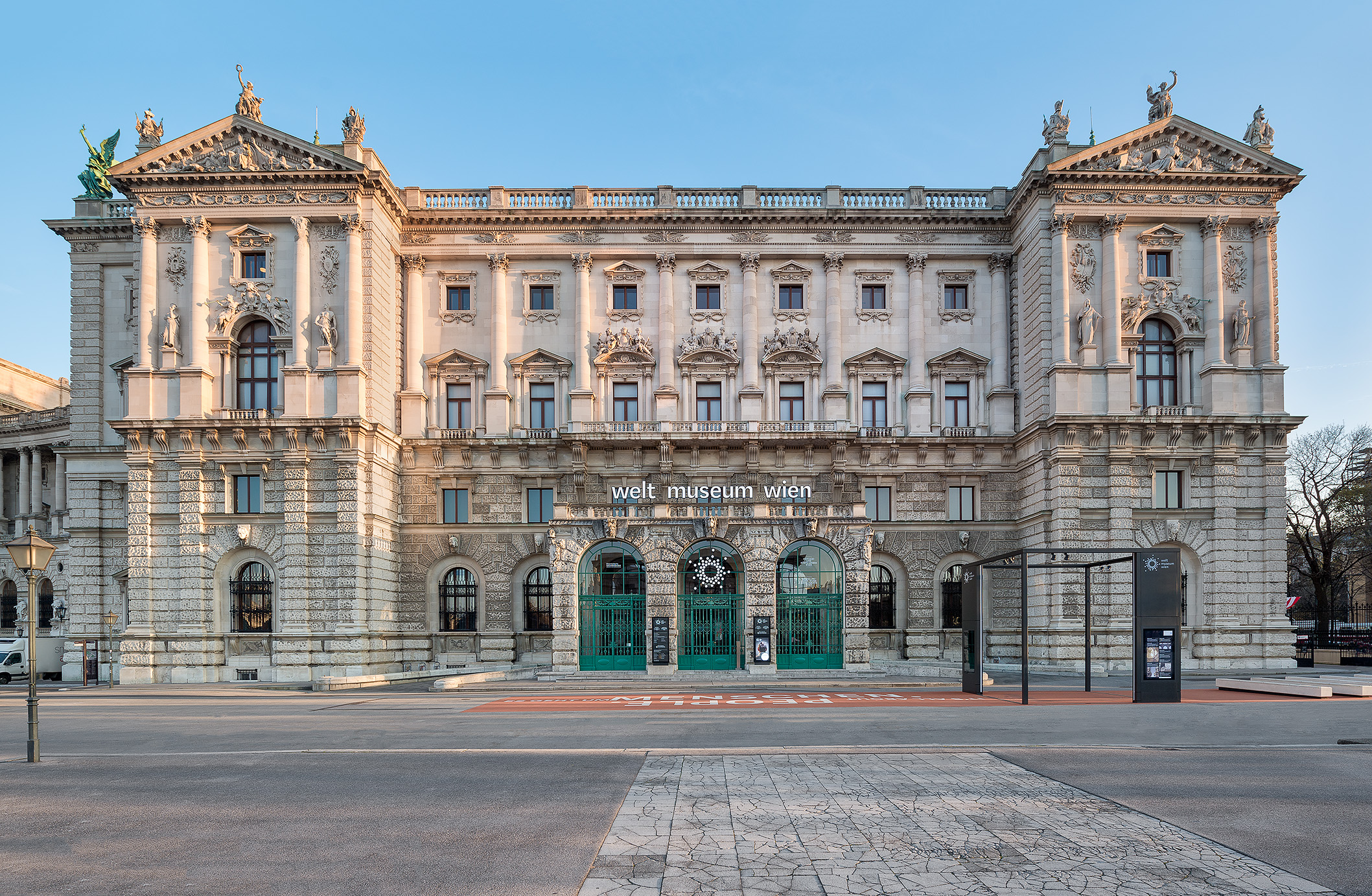
Last semester, students of the Arts Management programme at JAM MUSIC LAB visited Weltmuseum Wien. Organised by Prof. Dr. Wolfgang Lamprecht, the visit was guided by the museum’s Deputy Director, Christian Schicklgruber, who led the group through the collections and behind the scenes. The tour connected architectural, curatorial, and managerial perspectives and showed how museums today communicate content while continuously making complex organisational decisions.
Beginning with the architecture of the Hofburg, it became clear how spatial dramaturgy shapes perception and how venue rental can be integrated into a museum’s business model as an additional source of income. The tour also addressed the impact of curatorial choices. Everyday objects behind glass, deliberately challenging displays, and digital media all guide the visitor’s attention, yet they also raise management questions when screens begin to overshadow the objects themselves. The key insight was clear: digital tools can support mediation and interpretation, but they should never become an end in themselves.
Particular attention was given to ethical and legal questions surrounding provenance, restitution, insurance, and transport. A controversial Mexican feather headdress, African sculptures, and ivory objects illustrated that decisions in these areas extend far beyond administrative procedure. Using the possible return transport of a historic Mexican headdress to Mexico as an example, the group gained a vivid sense of the practical challenges and sensitive negotiations involved. In this context, transparent cultural communication emerged as a key factor in mediating between the expectations of countries of origin, lenders, audiences, and political stakeholders.
A look behind the scenes also made the scale of conservation and organisational work visible. Around 98% of the collection is kept in storage. Prioritisation, collection care, and conservation strategies therefore play a decisive role in shaping what the public ultimately gets to see.
The excursion gave future arts managers a compact yet multilayered insight into the intersections of ethics, museum management, and cultural communication. It showed how business models, spatial dramaturgy, and communication strategies jointly shape the meaning of objects — and how responsible management enables museums to remain active, relevant, and sustainable.
Text: Maximilian Wimazal


