Staff member Jakob Moser's experiences from Erasmus+ Staff Training Week in Brno – Summer AI Lab 2026
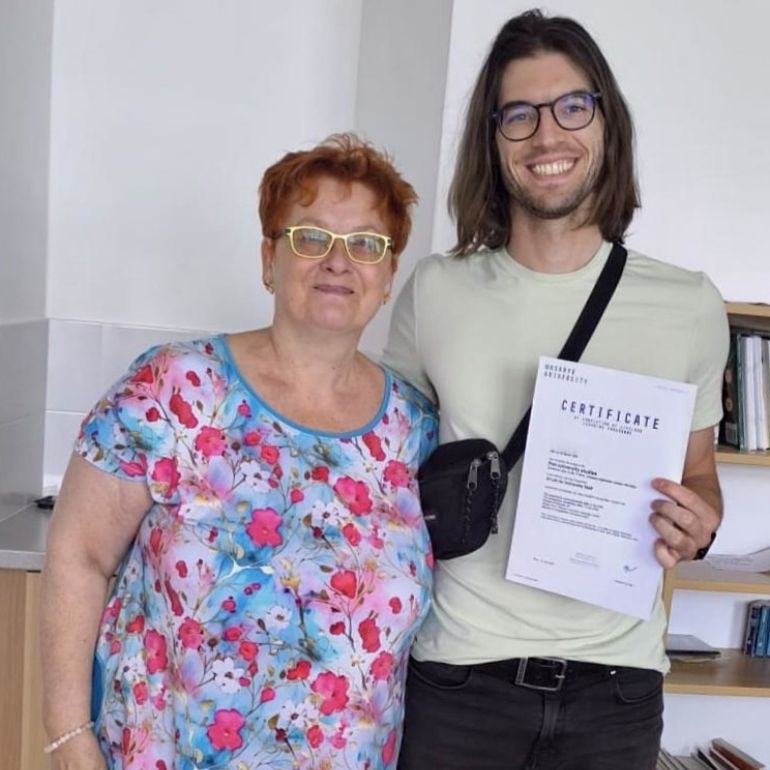
The Summer AI Lab 2026, hosted by Masaryk University in Brno, provided exhilarating insights into the current state of artificial intelligence and its application in higher education administration. As part of the Erasmus+ Staff Training Week, the programme also highlighted the value of international cooperation, professional development, and the exchange of good practices between higher education institutions across Europe. Throughout the week, the programme combined theoretical input with practical workshops, allowing me to explore how AI can improve efficiency, communication, and service quality in everyday administrative work. I particularly appreciated that the focus was always on real-world use cases rather than purely technical concepts.
The training covered a broad range of topics, starting with recent developments in AI and the shift from traditional chatbots towards autonomous AI agents. We compared different AI solutions, including ChatGPT, Claude, Gemini, Perplexity, NotebookLM – just to mention a few – and discussed their strengths and limitations for various administrative but also non-administrative tasks. One of my biggest takeaways was that there is no single "best" AI tool—different solutions are better suited for different use cases. I also gained a better understanding of AI terminology, prompting concepts and prompt engineering, learning how carefully designed prompts can significantly improve the quality of generated content.
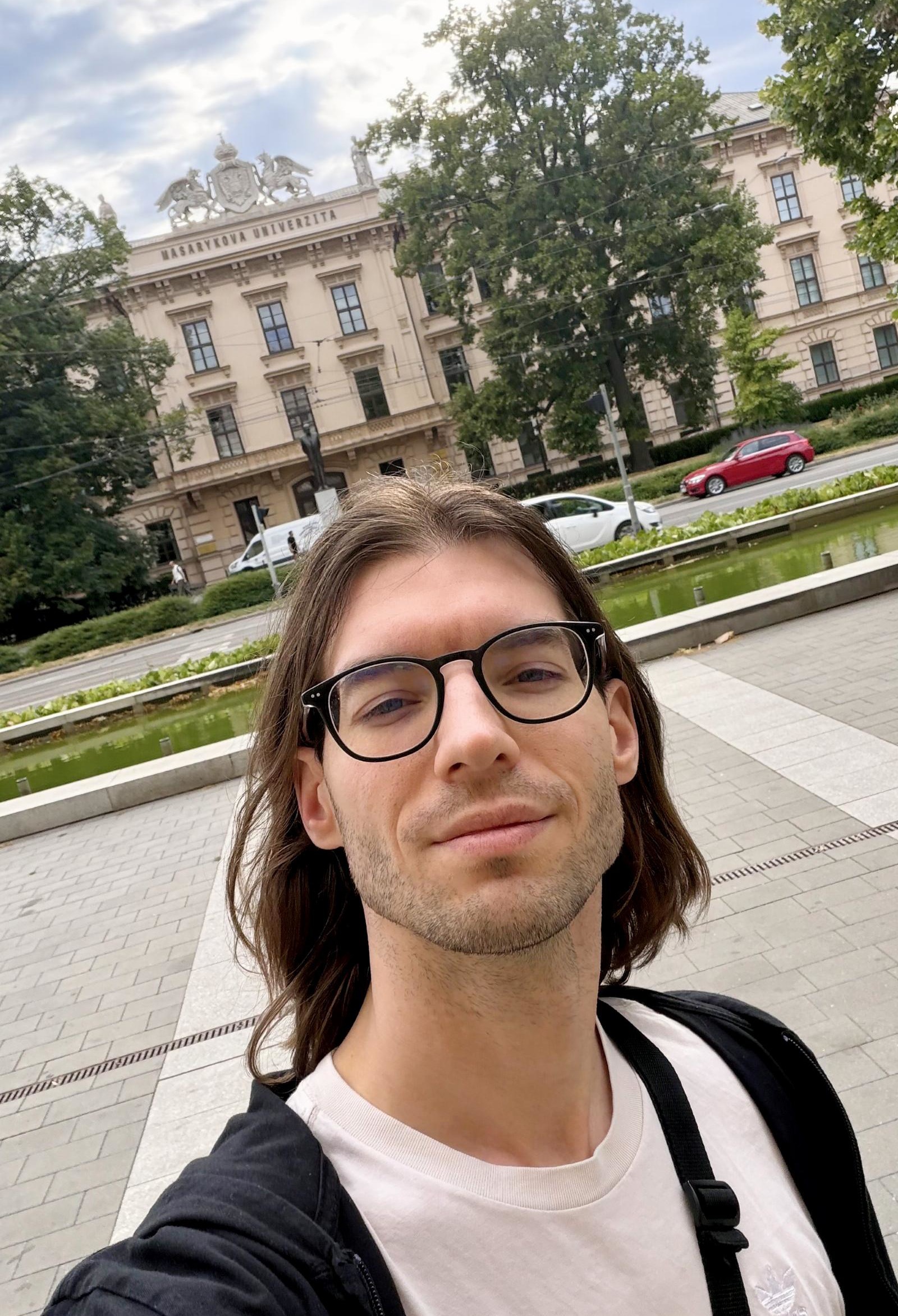
One of the highlights was workflow automation. We designed and implemented an automated process based on realistic university administration scenarios. As someone already involved in this topic, I still found these sessions valuable because they provided practical ideas and details that I could adopt. The opportunity to experiment, test different approaches, and even explore topics such as prompt injections gave me a much deeper understanding of how AI systems operate in practice.
Further sessions covered AI-supported language learning, creating presentations and visualisations, and the responsible use of artificial intelligence. Topics such as GDPR, data protection, institutional policies, bias, and the importance of human oversight were integrated throughout the training, reinforcing that AI should support—not replace—human decision-making.
Beyond the technical content, one of the most valuable aspects of the Summer AI Lab was the exchange with colleagues from universities across Europe and beyond. Working together with participants from different institutions, countries, and professional backgrounds allowed us to compare administrative processes, exchange good practices, discuss common challenges, and learn from each other's experiences. These interactions fostered valuable professional networks and opened up opportunities for future international collaboration.
Overall, the Summer AI Lab offered an excellent balance of theory, practical application, and international exchange. The Erasmus+ programme provided an outstanding framework for networking, knowledge sharing, and intercultural learning, demonstrating how staff mobility contributes to the internationalisation of higher education institutions. I returned with a better understanding of current AI technologies, new ideas for improving administrative workflows, and a valuable international network of colleagues facing similar challenges in higher education administration.